
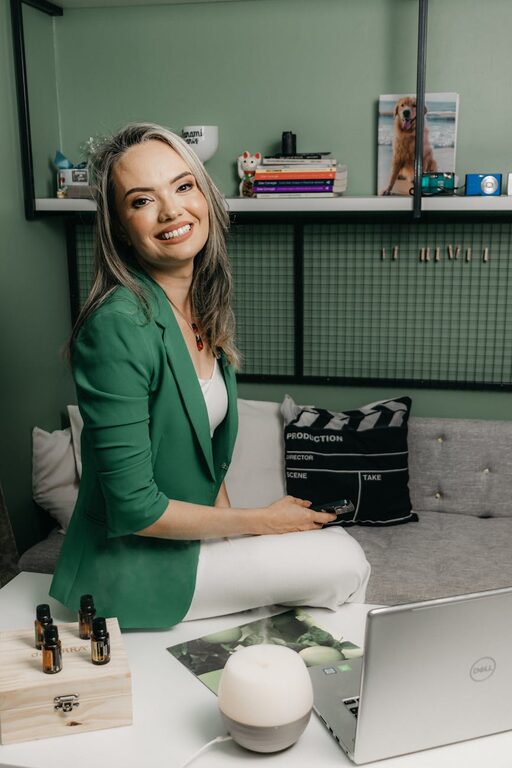
Creating a relaxing home environment can have a powerful impact on your productivity and well-being. Whether you work from home, study, or just want to feel more balanced in your living space, small changes can lead to big improvements. In this post, we’ll explore practical tips that help create a peaceful atmosphere, making your home a place where you can focus, recharge, and thrive.
Why a Relaxing Environment Matters
Your surroundings influence your mindset and energy levels. A cluttered, noisy, or stressful space can distract you and drain your motivation. On the other hand, a calm and organized environment encourages focus, reduces stress, and supports healthy habits. When your home feels peaceful, you’re more likely to enjoy your time there and accomplish your goals with less frustration.
Start with Decluttering and Organization
One of the quickest ways to create a relaxing space is to clear out unnecessary clutter. Clutter can make it harder to relax or concentrate because it constantly demands your attention.
– Sort items into keep, donate, and discard piles.
– Use storage solutions like baskets, bins, or shelves to keep essentials tidy.
– Keep your workspace free from personal items that don’t support your tasks.
– Make a habit of tidying up at the end of each day.
A well-organized space feels more open and calming, setting the stage for productivity.
Choose Soothing Colors and Lighting
Your choice of colors and lighting affects how comfortable and relaxed you feel in your home.
– Opt for soft, neutral, or pastel colors for walls and decor, which promote tranquility.
– Incorporate natural light whenever possible by opening curtains or using sheer window coverings.
– Add adjustable lighting options such as dimmable lamps or warm LED lights to reduce eye strain.
– Avoid harsh fluorescent lighting, which can increase stress and fatigue.
Good lighting paired with calming colors can enhance mood and concentration.
Incorporate Natural Elements
Bringing elements of nature indoors is a well-known way to reduce stress and boost well-being.
– Add a few houseplants; they clean the air and add a fresh, vibrant touch.
– Use natural materials like wood, stone, or cotton in furniture and textiles.
– Display nature-inspired artwork or photos to evoke a sense of calm.
– If possible, create a small outdoor relaxation spot with seating and greenery.
These elements help make your space feel more refreshing and inviting.
Designate Specific Zones
Creating designated zones for different activities helps your brain switch between work, rest, and leisure more easily.
– Set up a dedicated workspace separate from where you relax or sleep.
– Keep work materials like computers and files confined to the work area.
– Create a cozy reading nook or meditation spot to unwind.
– Use rugs or furniture arrangement to visually separate zones if you share a room.
Clear boundaries help reduce distractions and encourage mental clarity.
Use Soothing Sounds and Scents
Sound and scent can powerfully affect mood and relaxation.
– Play gentle background music or nature sounds like rainfall to create a peaceful atmosphere.
– Use essential oils or scented candles with calming aromas like lavender, eucalyptus, or chamomile.
– Avoid loud noises by using noise-canceling headphones or soundproofing if possible.
– Try white noise machines for better focus and relaxation.
These sensory additions make your environment more pleasant and conducive to well-being.
Develop Daily Routines
A relaxing home environment is supported by routines that encourage balance and consistency.
– Start your day with a calming activity like stretching, meditation, or journaling.
– Take regular breaks when working to move around and refresh your mind.
– Set a consistent bedtime routine to improve sleep quality.
– Include moments for creative or leisurely activities you enjoy.
Routines provide structure and make it easier to maintain a peaceful mindset.
Keep Technology in Check
Technology can both help and hinder productivity and relaxation.
– Designate tech-free zones or times, such as during meals or before bed.
– Use apps or settings to limit notifications that interrupt focus.
– Organize computer files and digital tools so they don’t add to mental clutter.
– Make sure your devices are ergonomically set up to reduce physical strain.
Managing technology thoughtfully reduces distractions and supports well-being.
Personalize with Comfort and Meaning
Finally, make your space truly your own by including elements that bring comfort and joy.
– Choose furniture and accessories that feel comfortable and inviting.
– Display items that inspire or motivate you, such as photos, quotes, or artwork.
– Use cozy textiles like blankets and cushions to add warmth.
– Create a space where you feel safe and relaxed.
A personal touch helps your home feel like a sanctuary where you can be your best self.
—
Creating a relaxing home environment is a process that combines physical space changes with habits that support calm and focus. By decluttering, adjusting lighting, bringing in natural elements, and designing your space thoughtfully, you can boost both your productivity and overall well-being. Start with one or two tips today and watch how a peaceful home transforms your daily life.
